The Maritime and Logistics Tech Focus
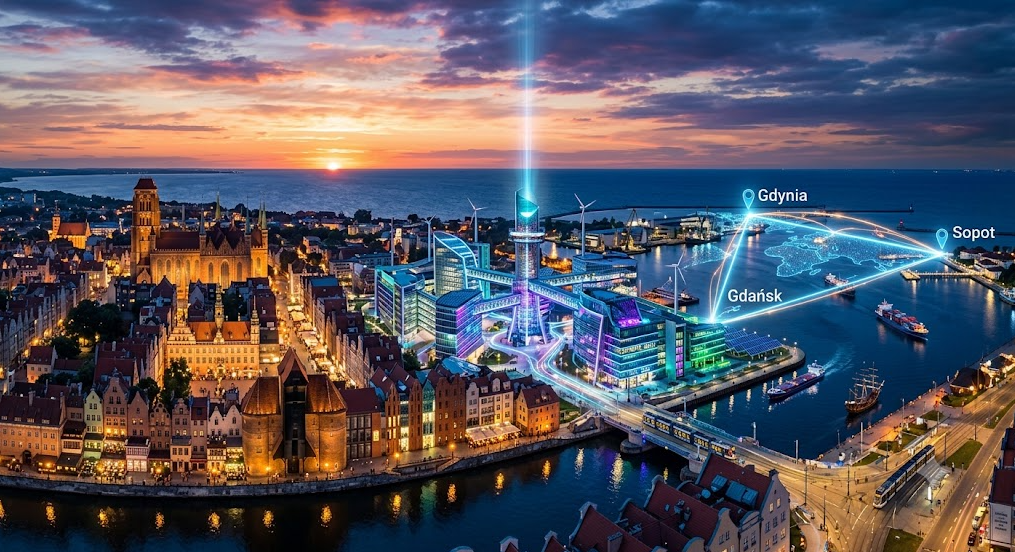
Gdansk stands as the Baltic’s premier maritime and logistics tech hub, driven by massive port infrastructure and advanced supply chain digitization. Software engineering here heavily prioritizes global shipping algorithms, automated terminal operations, and predictive freight analytics. In our practice tracking CEE markets, the transformation of the Port of Gdansk into a highly digitized, high-throughput node is undeniable. First-quarter throughput in 2026 alone surged past 20.9 million tonnes. Developers build predictive models to handle this massive influx of containerized cargo. You immediately notice how regional software agencies pivot to support these massive industrial demands. Maritime logistics requires uncompromising precision. Code deployed here often manages critical onshore power supply systems and terminal automation protocols. Engineers write software that directly interfaces with heavy machinery and complex weather routing APIs. This creates a highly specialized niche for developers seeking challenging, globally impactful projects.
Quality of Life and Expat Attraction
The Tri-City area offers an exceptional blend of coastal living, modern infrastructure, and cleaner air compared to inland hubs, making it a magnet for international IT talent. Expats enjoy a premium lifestyle at a fraction of Western European costs. We consistently see that foreign professionals prioritize living standards just as much as base compensation. Gdansk delivers coastal recreation alongside top-tier office spaces and seamless public transit. You can finish a rigorous sprint review and be windsurfing on the Baltic Sea within thirty minutes. This geographic edge is a massive recruitment asset for local tech executives. Relocating tech workers also benefit from streamlined visa tracks and the widespread use of English. Tech hubs in the area foster tight-knit expat communities through regular industry meetups and maritime conferences. Families find excellent international schools and safe, modern neighborhoods scattered throughout Sopot and Gdynia.
Enterprise Software and Nordic Connections
Gdansk functions as a nearshoring stronghold for Scandinavian enterprise software, linking Polish engineering talent directly with Nordic corporate capital. Geographical proximity and cultural alignment make the Tri-City the default operational extension for Swedish, Norwegian, and Danish firms. Data from recent corporate setups shows a massive influx of Scandinavian capital flowing directly into Northern Poland. Nordic banks, telecom giants, and green energy startups establish their primary research and development centers in Gdansk. You easily tap into a corporate culture that values flat hierarchies and strict work-life balance. Operating in this ecosystem means mastering secure, highly scalable cloud architectures. Developers routinely work with cutting-edge AWS or Azure environments to build compliance-heavy fintech platforms or offshore wind energy portals. The exact time-zone alignment allows seamless daily standups and agile synchronization.
Salary Benchmarks in Northern Poland
IT salaries in Gdansk range from 170,000 PLN to 330,000 PLN gross annually, reflecting competitive pay scales driven by international demand. Compensation remains robust, heavily favoring lucrative B2B contracts paired with low-tax IP Box incentives. Earning potential in the Tri-City rivals the capital but stretches further due to slightly lower living costs. Senior software developers routinely negotiate premium rates, especially those specializing in LLMs, cloud architecture, or embedded systems. You must carefully weigh the structural differences between traditional employment (UoP) and self-employed B2B contracts. Favorable tax frameworks significantly boost monthly take-home pay. Engineers leveraging the 5% IP Box tax rate or the standard 8.5% lump sum retain a massive portion of their gross income. The chart below breaks down the 2026 salary expectations for key software roles in the Tri-City.
| Tech Role (Senior Level) | Annual Gross (PLN) | Monthly B2B Net Estimate (PLN) | Key Industry Demand |
|---|---|---|---|
| Cloud Engineer (AWS/Azure) | 250,000 – 350,000 | 18,000 – 25,000 | Nordic Enterprise, Fintech |
| Data / ML Engineer | 300,000 – 450,000 | 22,000 – 32,000 | Maritime Analytics, Logistics |
| .NET / React Developer | 200,000 – 280,000 | 15,000 – 21,000 | Supply Chain Portals |
| DevOps Engineer | 250,000 – 380,000 | 19,000 – 28,000 | Port Automation, Green Energy |
Frequently Asked Questions (FAQ)
These frequently asked questions cover the essential aspects of the Tri-City tech ecosystem. Review these quick facts about maritime logistics software, salary expectations, and Nordic business connections in Gdansk.
Why is Gdansk a top destination for logistics software?
Gdansk hosts one of the fastest-growing deep-water ports in Europe. Massive 2026 cargo volumes demand sophisticated predictive algorithms, terminal automation, and supply chain tracking systems.
How do tech salaries in the Tri-City compare to Warsaw?
Tri-City tech salaries are generally 5% to 10% lower than Warsaw. However, lower housing costs and access to coastal amenities provide superior overall purchasing power and lifestyle quality.
What is the most popular contract type for senior developers in Poland?
The B2B (Business-to-Business) contract dominates the senior IT market. It allows engineers to leverage the 5% IP Box tax or an 8.5% lump-sum tax, maximizing net income.
Why do Nordic companies prefer nearshoring in Gdansk?
Gdansk offers direct flights to major Scandinavian cities, zero time-zone difference, and a strong cultural alignment regarding flat management styles and high-quality engineering standards.